
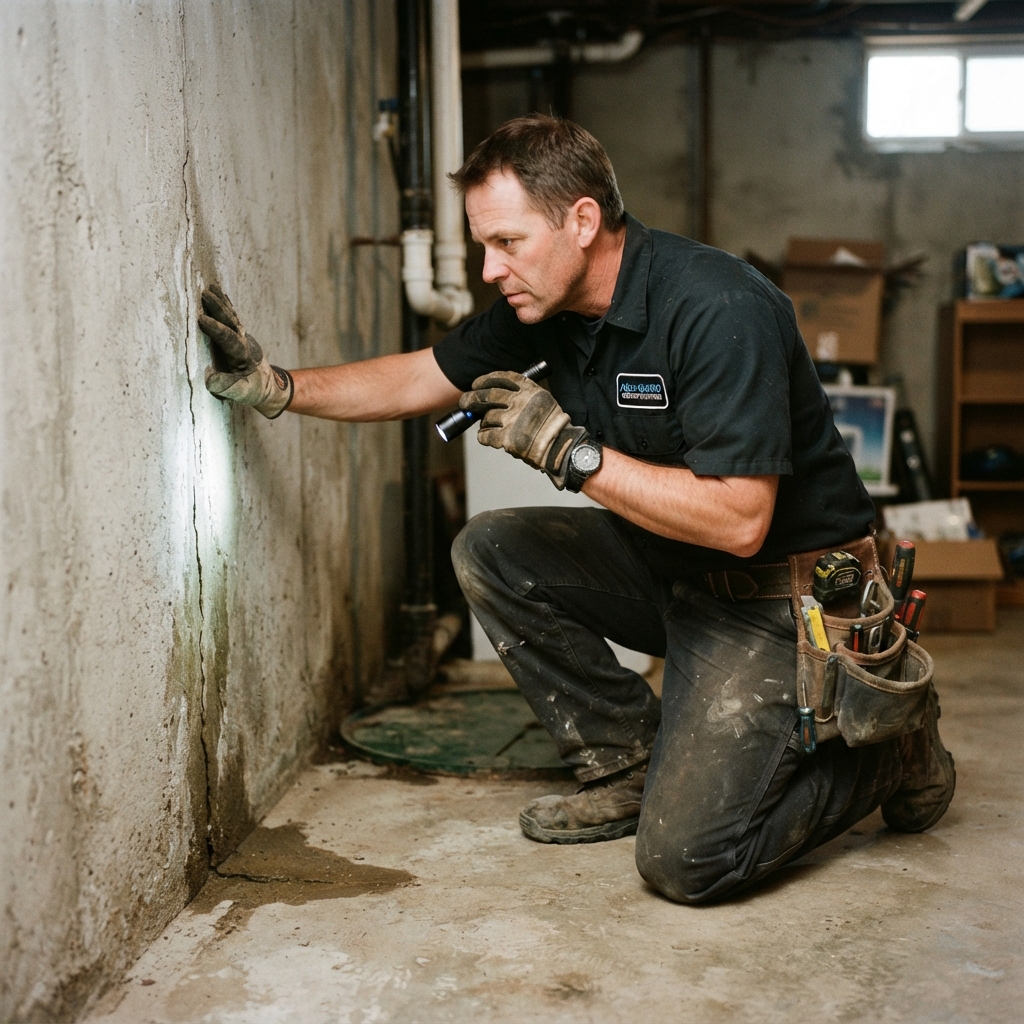
Basement Leak Detection & Water Management
Proper waterproofing starts by diagnosing the true source of the water. We don't automatically recommend one method - we investigate where water is actually entering and recommend the solution that matches.
Foundation vs Drainage Problems
Some water problems originate at the foundation; others are drainage issues that direct water toward the foundation. Distinguishing between the two is essential - a drainage fix won't solve a foundation crack, and a foundation repair won't fix poor grading.
Foundation Issues
Cracks, wall seepage, and porous concrete that require crack injection or exterior waterproofing membrane barriers.
Drainage Issues
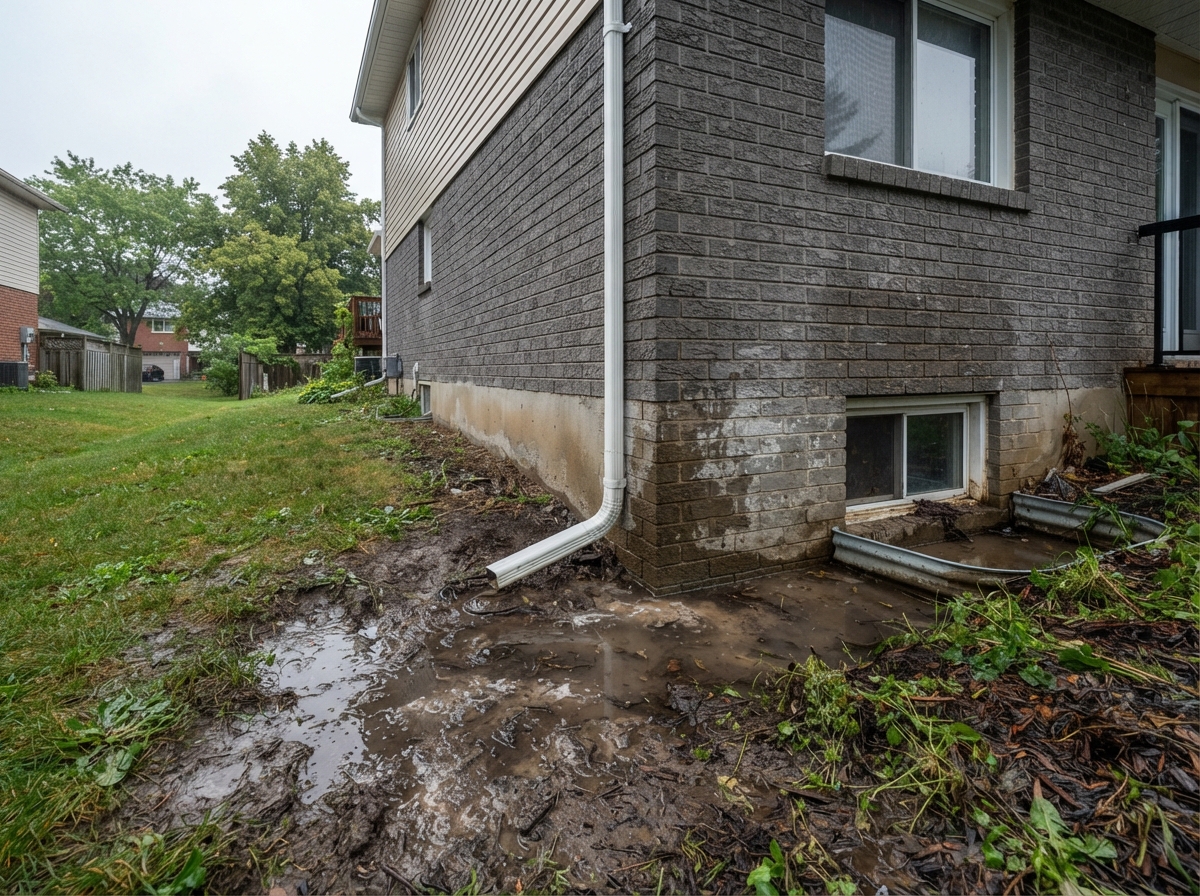
Negative yard slope, clogged weeping tile, or downspouts dumping near walls that force water toward the foundation.
How We Investigate Basement Leaks
A proper investigation looks at the whole picture - inside and outside. We inspect the foundation, drainage, sump system, grading and downspouts, and review the history of when and how the water appears.
Initial Perimeter Walkthrough
Inspecting exterior grading, gutters, downspouts, and surface runoff points.
Interior Foundation Inspection
Locating moisture patterns, efflorescence, wall-floor joint seepage, and cove joint dampness.
Moisture Source Testing
Isolating plumbing vs. groundwater pressure infiltration.
Sump & Weeping Tile Check
Evaluating sump pump operation, discharge lines, and weeping tile condition for blockages or failures.
Written Assessment & Plan
Delivering a clear diagnosis with recommended waterproofing options matched to the source.
Recommendation & Next Steps
Walking you through the findings and the most cost-effective path forward — no pressure, you decide.
Common Basement Leak Sources
Hover over each source to see what it looks like and what it usually points to. Identifying the source is the first step to the right fix.
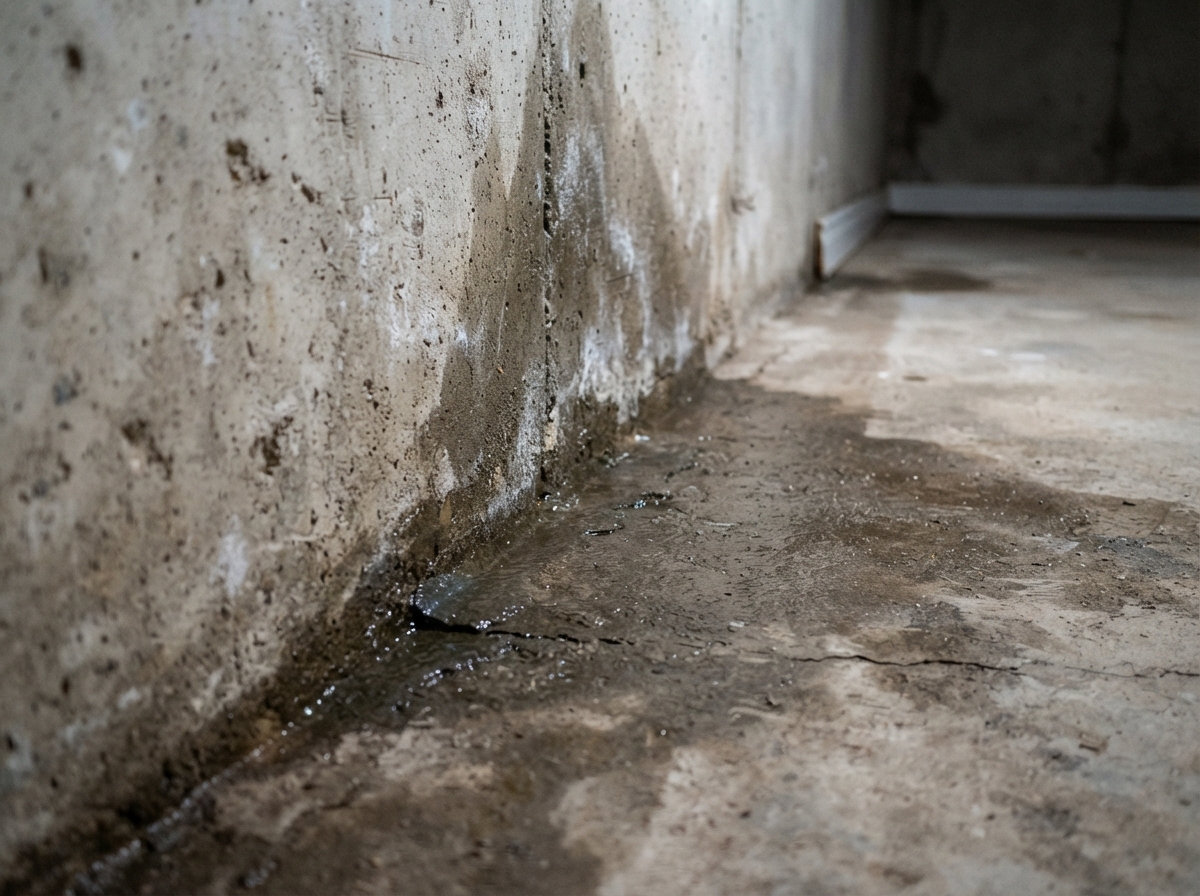
Leak Source
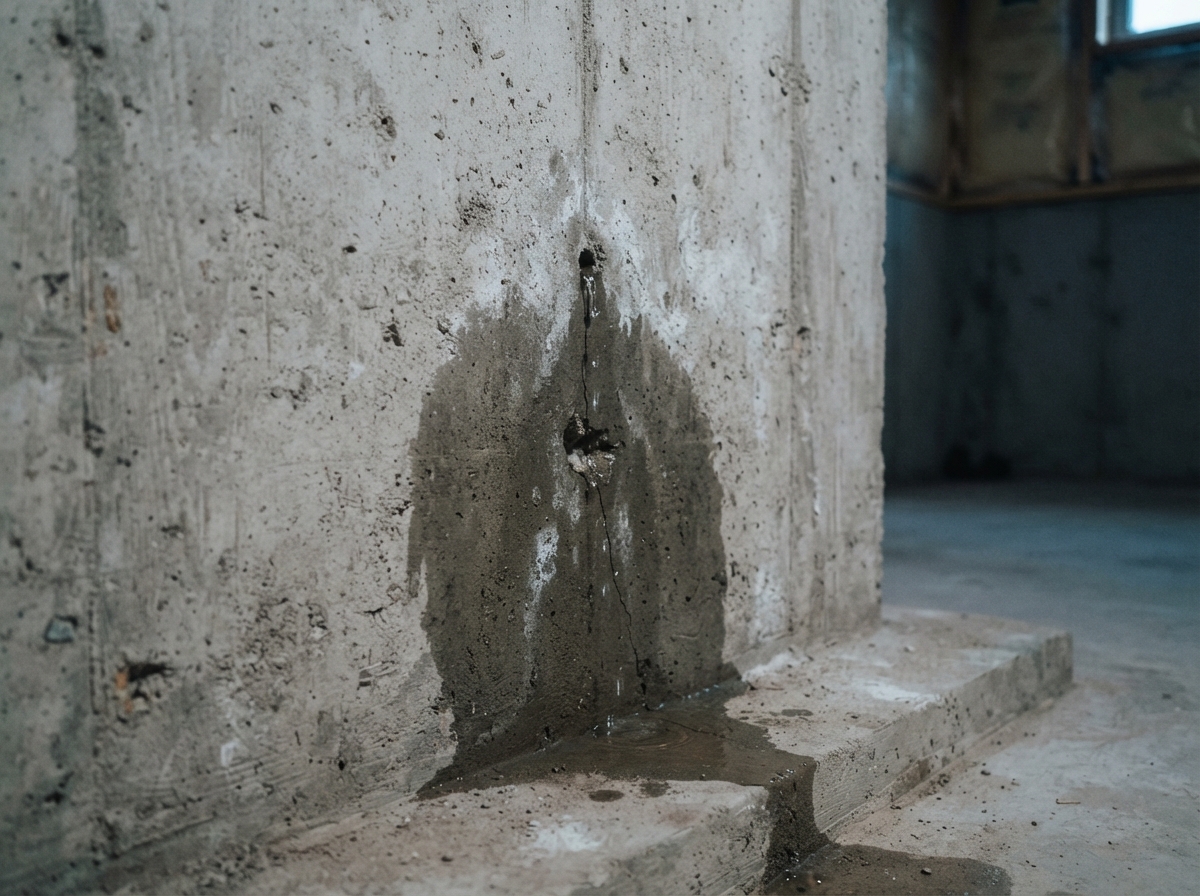
Wall Seepage
Water entering through the foundation wall itself often points to hydrostatic pressure or membrane failure outside the wall.
Water entering through the foundation wall itself often points to hydrostatic pressure or membrane failure outside the wall.
- Identified by damp patches or mineral deposits
- Points to exterior membrane or drainage failure
- May require exterior waterproofing to resolve
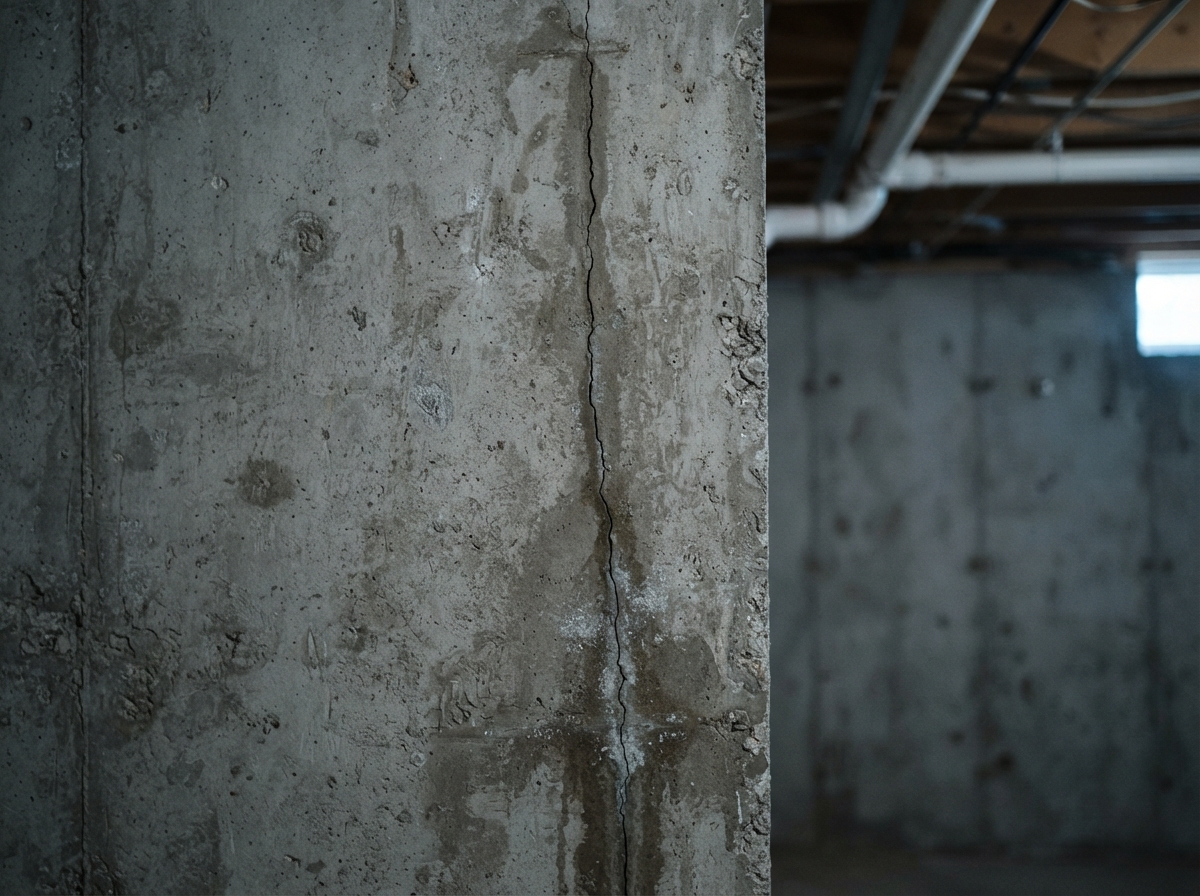
Cracks in poured concrete can be a direct path for water. We assess whether a crack is structural or non-structural before recommending repair.
- Hairline, vertical, or horizontal crack types
- Structural vs. non-structural assessment
- Injection or exterior repair matched to the crack
Seepage where the wall meets the floor usually indicates water building up at the footing - often a weeping tile or drainage issue.
- Water pooling at the footing seam
- Often points to failed weeping tile
- Interior drainage may be the right fix
Grading, downspouts, and surface flow direct water toward or away from the foundation. Drainage problems are a common, fixable cause of basement water.
- Grading sloping toward the foundation
- Downspouts discharging at the wall
- Corrected with exterior drainage work
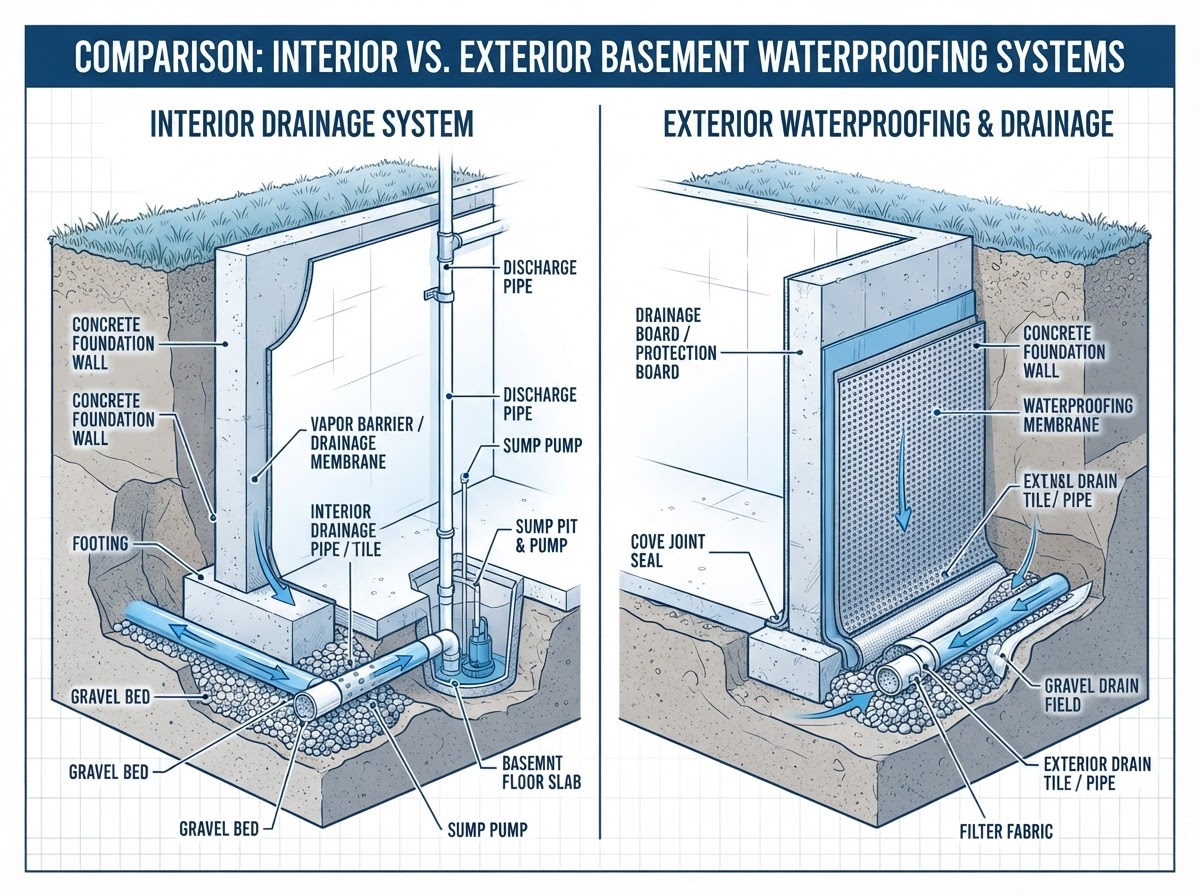
Interior vs Exterior Solutions
Once we know the source, we recommend the approach that matches it. The right solution follows the diagnosis.
Interior Systems
Manage water that has already entered, capturing it at the footing and directing it to a sump before it reaches the floor.
Exterior Systems
Prevent water from reaching the wall with membrane barriers and waterproof coatings applied directly to the foundation.
Drainage Improvements
Keep water away entirely with corrected grading, downspout extensions, and surface drainage that redirects runoff.
Frequently Asked Questions
Frequently Asked Questions
Stop Water Before It Causes More Damage
Whether you're dealing with a foundation crack, recurring basement seepage, drainage issue or failed sump pump, our London team will inspect the site and deliver a guaranteed solution.